

The Burren
Ireland’s Otherworldly Landscape of Stone and Story

The Burren
Where Rock Meets Mystery
The Burren is one of Ireland’s most remarkable landscapes. Stretching over 250 square kilometres
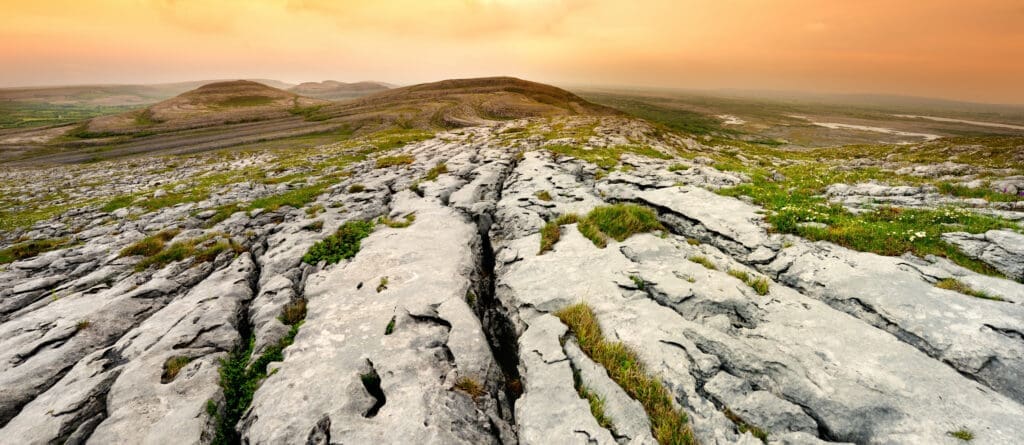
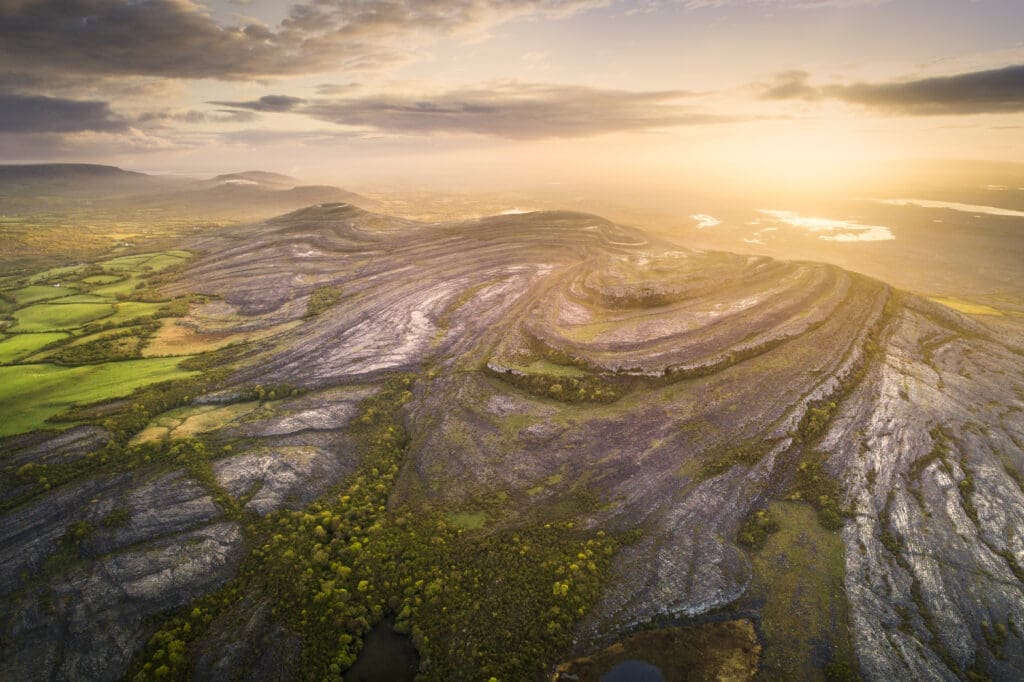
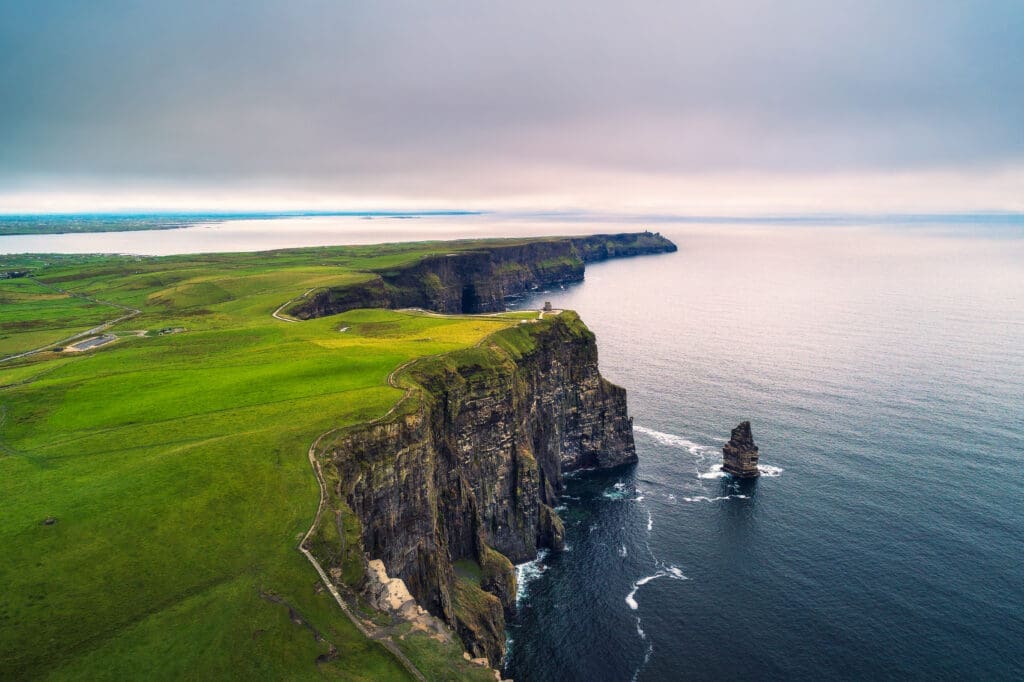
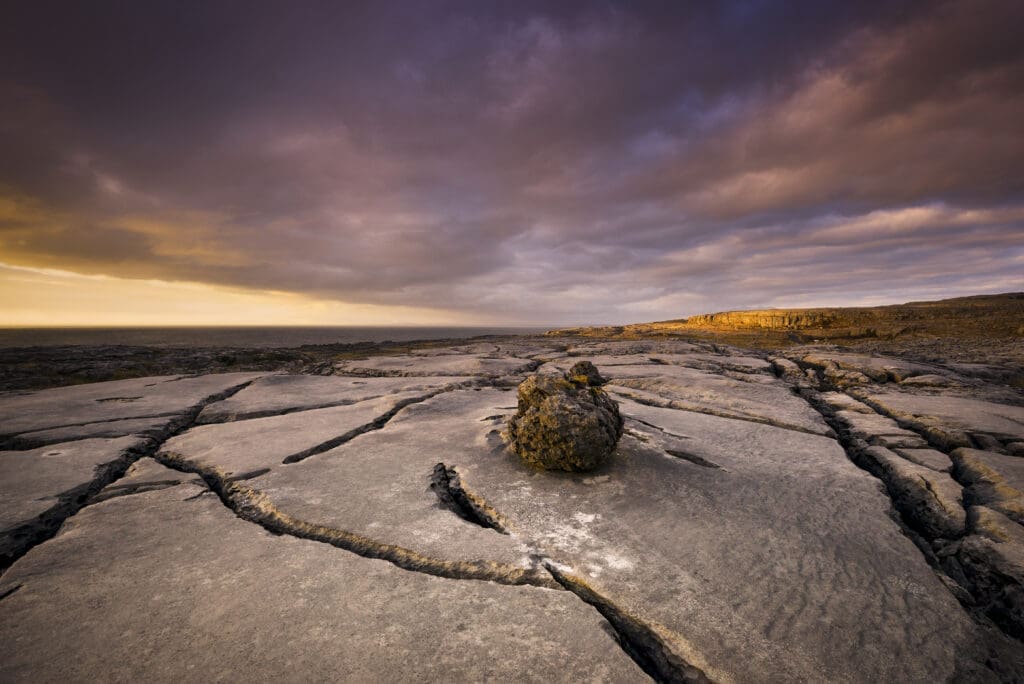
Located in the northwest corner of County Clare, The Burren is a place where limestone pavements, cracked by time and weather, spread across rolling hills and plateaus like a giant’s jigsaw. From rare arctic-alpine flowers blooming beside Mediterranean species, to ancient tombs resting in lonely valleys, the Burren is a geological marvel steeped in prehistoric mystery.
The name “Burren” comes from the Irish “Boíreann”, meaning “rocky place” — a fitting title for a region often described as moon-like, yet full of life. Despite its stark appearance, the Burren is a hotspot of biodiversity, home to over 70% of Ireland’s native plant species.
Our Coffee Shop serves up a tempting selection of freshly brewed tea and coffee, light snacks, and a wide variety of homemade cakes, pastries, and desserts — all baked with care using local ingredients.
For those who want to linger, there’s a choice of indoor seating or al fresco dining with views of the surrounding landscape.
A range of soft drinks and Irish wines is also available.
For guests bringing their own food, we offer a dedicated picnic area, as well as open spaces where you’re welcome to relax and enjoy your packed lunch.
As proud supporters of the Leave No Trace movement, we kindly ask all visitors to take their rubbish with them or use the bins provided onsite to help protect this pristine landscape.
Whether you’re looking to taste, shop, snack, or picnic, the food experience at Aillwee complements your visit with local flavour, sustainability, and a warm Burren welcome.
The Burren
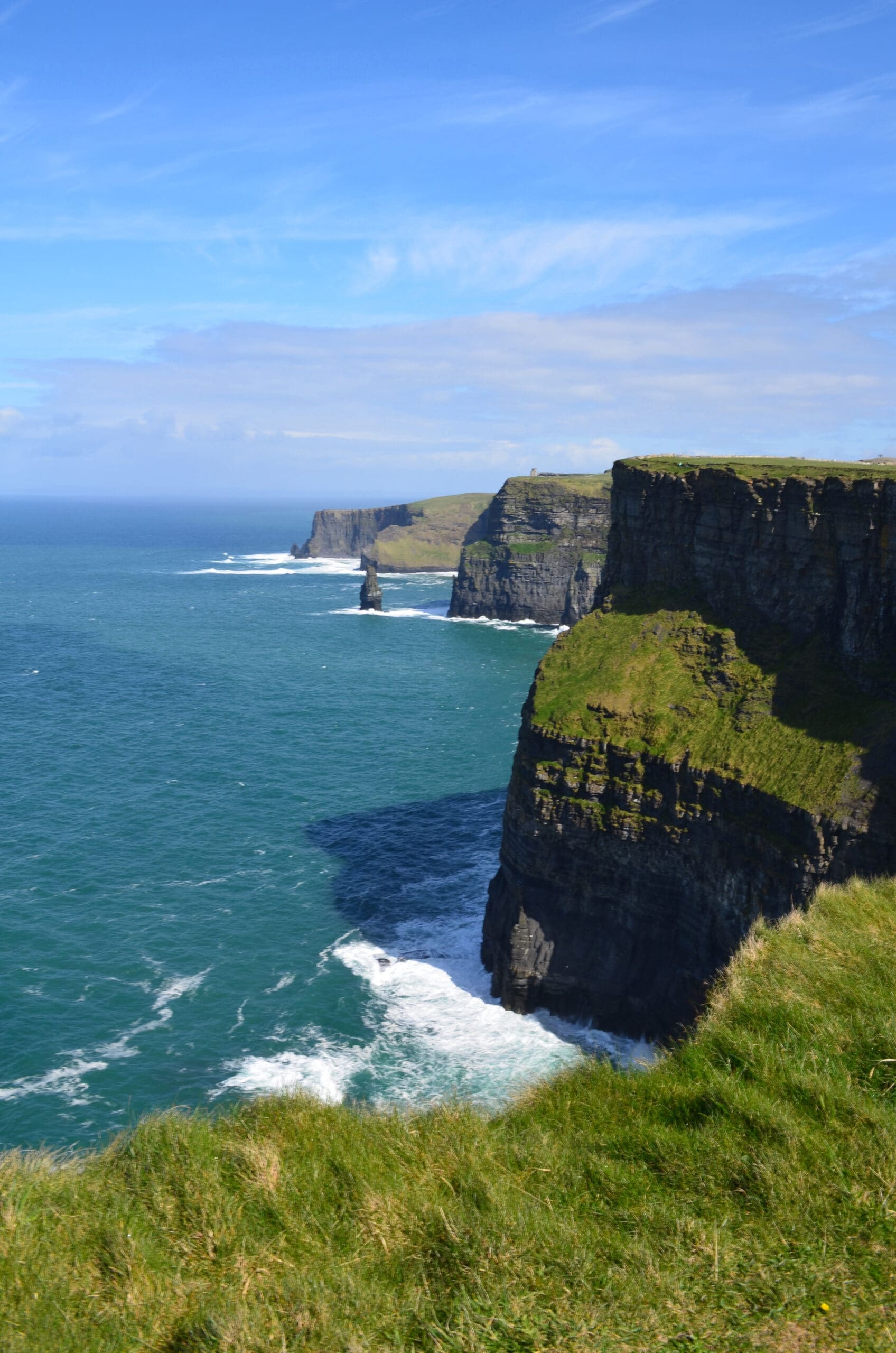
The Burren is one of Ireland’s most remarkable landscapes. Stretching over 250 square kilometres
Located in the northwest corner of County Clare, The Burren is a place where limestone pavements, cracked by time and weather, spread across rolling hills and plateaus like a giant’s jigsaw. From rare arctic-alpine flowers blooming beside Mediterranean species, to ancient tombs resting in lonely valleys, the Burren is a geological marvel steeped in prehistoric mystery.
The name “Burren” comes from the Irish “Boíreann”, meaning “rocky place” — a fitting title for a region often described as moon-like, yet full of life. Despite its stark appearance, the Burren is a hotspot of biodiversity, home to over 70% of Ireland’s native plant species.
An Ancient Geological Puzzle Beneath Your Feet
An Ancient Geological Puzzle Beneath Your Feet
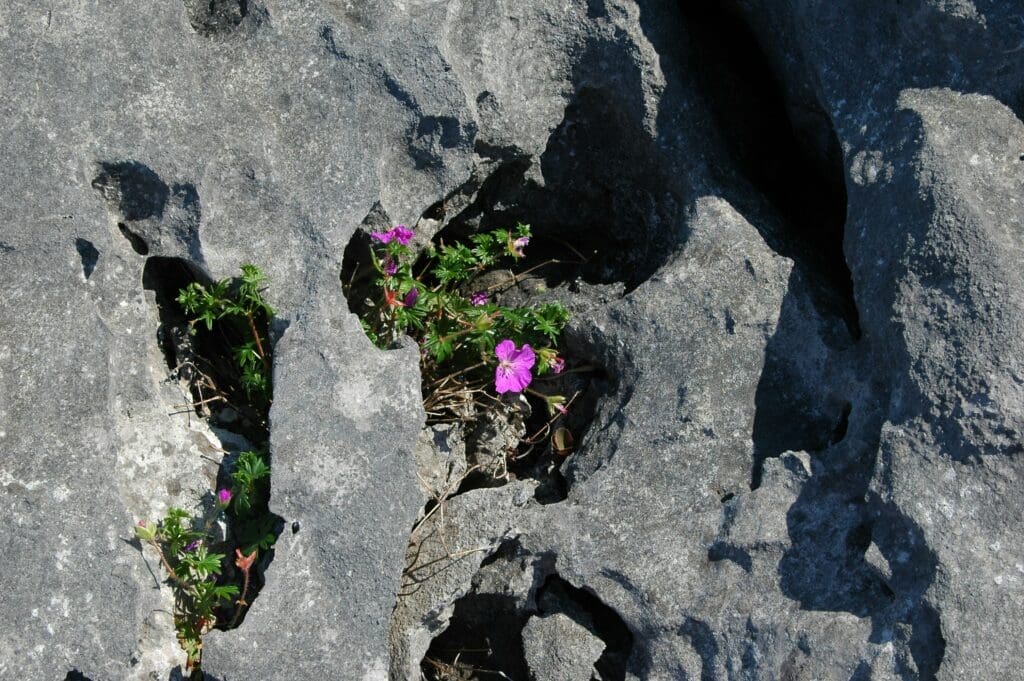
What makes the Burren truly unique is its karst landscape — a rare limestone formation sculpted over millions of years by glacial activity, rainwater erosion, and the relentless passage of time. The exposed stone pavements, with their deep cracks called “grikes”, are not just striking to look at — they’re also hiding rich soils and ecosystems in the sheltered spaces in between.
Beneath the surface, this landscape becomes even more fascinating. Aillwee Cave, one of the oldest caves in Ireland, offers a chance to explore the underground world of the Burren, where cascading waterfalls, bridged chasms, and calcite formations tell a silent, ancient story of water and rock.
The Aillwee Cave Tour takes visitors on a journey 850 metres into Aillwee Mountain, descending beneath 90 metres of limestone at its deepest point. Formed over thousands of years, the cave was once home to the now-extinct European brown bear, with bones inside dating back over 10,000 years to the Early Mesolithic period.
A Landscape Shaped by People and Time
While the Burren’s geology spans back 350 million years, its human history is equally compelling.
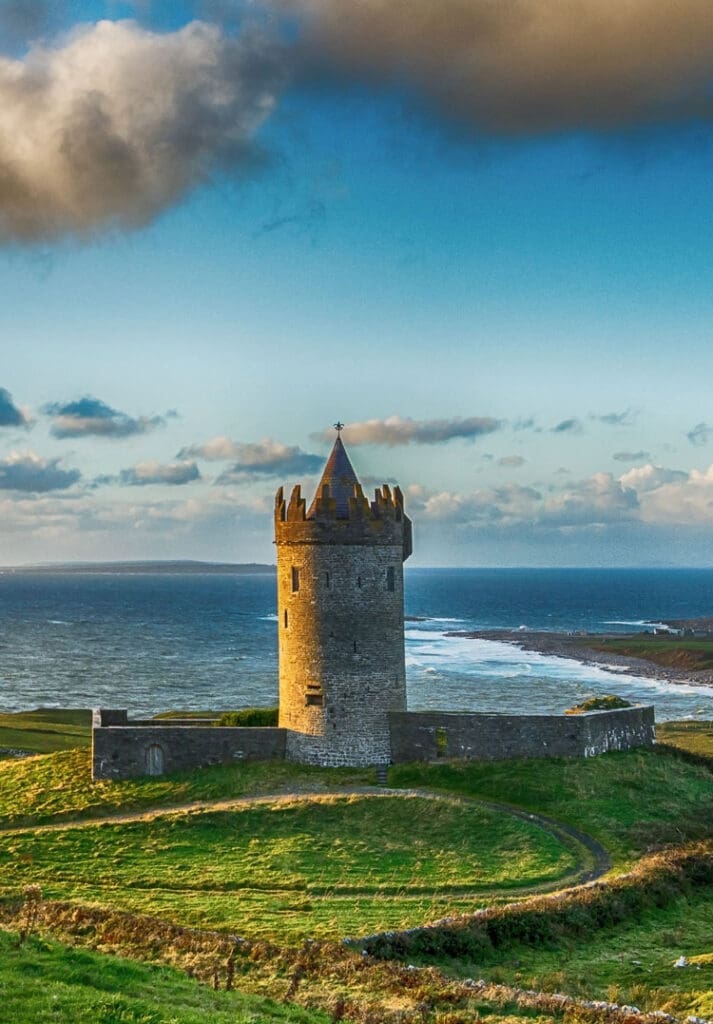
Evidence of prehistoric life, including Neolithic tombs, Bronze Age forts, and early Christian sites, are scattered throughout the region.
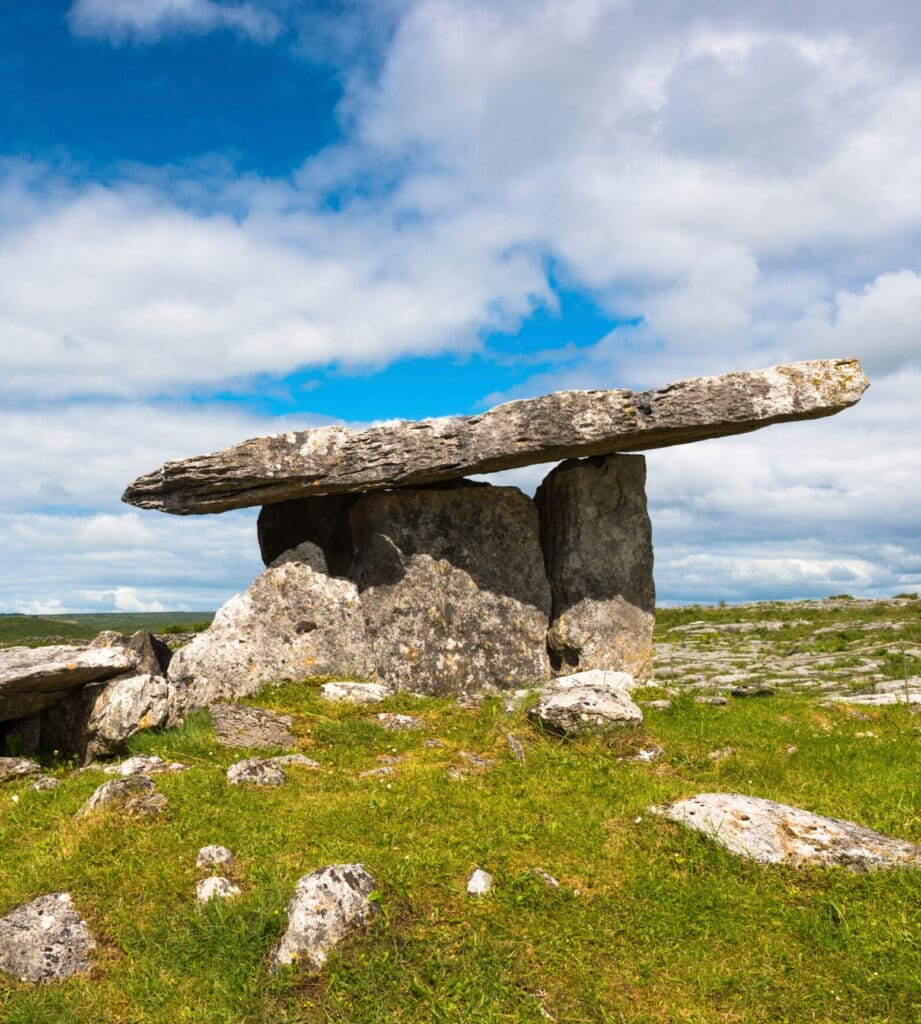
Among the most iconic is the Poulnabrone Portal Tomb, a 5,000-year-old burial site located just a short distance from Aillwee.
Built during the Neolithic period, it served as a ritual and burial site for generations and remained a place of significance even when bears roamed the nearby woods.
Today, the Burren continues to be shaped by local communities, farmers, and conservationists, balancing modern life with heritage and sustainability.

Nature Thrives in Ancient Stone
Nature Thrives in Ancient Stone
Despite the lack of surface water and the rocky soil, the Burren boasts a rich natural diversity. In spring and summer, it becomes a tapestry of wild orchids, gentians, ferns, and thyme, often growing side-by-side in ways found nowhere else in Europe.
The Burren National Park and Geopark designation protect this unique biosphere, encouraging responsible tourism and education. The Burren is also part of the UNESCO Global Geoparks Network, recognizing its global scientific importance.
Walking or cycling through the Burren offers visitors an immersive experience. Trails weave through limestone terraces, wooded valleys, and open hills, with panoramic views stretching to the Atlantic Ocean.