

Barn Owl Conservation at Aillwee Burren Experience
Barn owls (Tyto alba), with their ghostly appearance and silent flight, are among Ireland’s most iconic and captivating wildlife species. These magnificent birds have had a special place in Irish folklore for generations and their role in our ecosystem is crucial. Despite this they are our most threatened species of owl and are on the ‘Red List’ of birds of conservation concern in Ireland.
These nocturnal hunters are exceptional pest controllers, feeding primarily on small rodents like mice, voles and shrews. A single barn owl can consume up to 4,000 small rodents in a year, this natural predation makes them invaluable allies to farmers, reducing the need for chemical pest control.
Despite this beneficial relationship with humans, barn owls in Ireland have seen a worrying decline in their numbers over the past few decades.
The rapidly changing Irish landscape due to urbanisation, along with evolving agricultural and land use practices is making life more difficult for this species. However, a more wildlife conscious and environmentally aware mentality is developing in recent years among Irish people, and this can only mean positive things.
The use of rodenticide (rat poison) is a major threat to barn owls in Ireland. Rodents which have consumed rodenticide are more likely to be caught by predators both at night and during the day.
Rodenticide builds up in the barn owls’ system until it reaches a fatal level if there is no intervention. This is called secondary poisoning, and it affects many of our native predators including kestrels (Falco tinnunculus) buzzards (Buteo buteo) pine martens (Martes martes) and foxes (Vulpes vulpes)
Road traffic collisions are one of the biggest negative factors affecting barn owls in Ireland. This roadside loving hunter stands no chance against HGV’s and other vehicles travelling at night along our motorways and national roads.
The problem, as ever, is compounded by loss of habitat and loss of suitable nesting sites.
One of the most effective ways to support barn owls is by providing artificial nest boxes. If you live in rural Ireland or near suitable barn owl habitats, consider installing a barn owl box on your property.
These nest boxes offer a safe, secure space for owls to raise their young and can help mitigate the loss of natural nesting sites.
The Barn Owl Project https://www.thebarnowlproject.ie/ has been one of Aillwee’s conservation partners since 2023. The project works hard to tackle the problems facing this species in many ways.
From locating unregistered nest sites so the chicks can be ringed and documented, to rehabilitating and releasing any injured or sick barn owls. The trust works hard educating communities and schools across the country as well as liaising with landowners and farmers on habitat-renewal and increasing biodiversity.
Aillwee have hosted John Carrick the Director of The Barn Owl Project for public information days in the Birds of Prey Centre and hope to continue this on a semi-regular basis. Staff from Aillwee also volunteer with the Project where possible.
Monetary donations from Aillwee and its visitors have gone towards food costs and veterinary costs for the animals in the care of the Project and we are proud to be involved in our own little way in the great work being carried out.
Aillwee Burren Experience
Vulture Conservation at Aillwee
The worlds varied and widespread population of vultures are some of the most endangered species of birds in the world. Famous for their specialised scavenger lifestyle, they have long been reviled and viewed in a bad light.
There are a multitude of reasons for the decline of vultures around the globe, they are always at the high-est risk of exposure to poisoned carcasses, be this intentional or not. Poaching and hunting for the illegal global market in animal parts has crippled Africa’s vultures, and loss of habitat and lead poisoning are issues reflected on many continents. Windfarm collisions are another increasing issue in certain regions.
Extensive research has identified one of the leading causes is due to the veterinary drug diclofenac. Diclo-fenac is an anti-inflammatory drug that has been used in livestock across Asia and some parts of Europe. Vultures consume this drug when the feed on the carcasses of the animals that were treated with it prior to their death. Diclofenac is highly toxic to all birds resulting in fatal kidney failure even in extremely low doses.
Indifference to the loss of vulture species across the world is almost as damaging as the physical threats to life they face.
The potential loss of these Vultures has remarkable consequences within Asia and the rest of the world. Scavenging birds play a vital role in the world’s ecosystems; they rapidly dispose of car-casses reducing the spread of diseases, especially within vulnerable communities.
The decline of Vultures has led to feral dogs taking over the roll as lead scavenger in parts of India, Nepal and Pakistan. The combination of these actions poses a real risk to human health and safety.


Aillwee and its’ visitors have made monetary donations in hopes of aiding vulture re-population. In 2009, the centre raised €3,000 for the Vulture Rescue program in Nepal.
Vulture Rescue aims to reduce the vul-ture population decline and to minimise the ecological damage caused by this reduction in numbers.
The money was used to help build a “Vulture Safe Zone” in the Pokhara area of Nepal. This area is free from diclofenac and allows local people to donate older cattle dying of natural causes.
This initiative pro-vides a clean food source for the vultures; it has proven successful in other areas such as the zone near Chitwan National Park where the number of nesting pair has increased from 17 to 45. Money was also used to purchase the remaining stocks of diclofenac in the Pokhara Vulture Safe Zone.
1,500 vials and 13,000 tablets were collected and responsibly disposed of so they could not be used.
In 2018 and 2020, as part of Aillwee’s continuing commitment to vulture conservation in Asia, we started directly funding research on the critically endangered red-headed vulture (Sarcogyps calvus) in the Hima-layan foothills.
Staff from Aillwee were sent out to Nepal and spent months in the field aiding the survey-ing and research with the goal of identifying new breeding pairs and finding previously unknown nest-sites.
Red Kite
Conservation at Aillwee
The Golden Eagle Trust (GET) has been our longest standing conservation partner here at Aillwee. The GET along with The National Parks and Wildlife Services (NPWS) were responsible for the successful reintroduction of three of our largest raptor species, the golden eagle (Aquilla chrysaetos), white-tailed sea eagle (Haliaeetus albicilla) and red kite (Milvus milvus).
These species had been persecuted to extinction on the island of Ireland in the previous centuries and the GET aimed to take a small step towards reversing generations of biodiversity loss.
The program was hugely ambitious, and the scale of the task hard to understate but from its inception in 1999 to today, the program to re-introduce Irelands lost raptors has been a resounding success.
Over the years, the community at Aillwee has had close ties with the GET. From fundraising campaigns and open days to Aillwee staff working hands on with the trust with in-situ conservation. In 2011 staff from our bird of prey centre travelled to Wales to help with the collection of Welsh red kite chicks for the Irish Red Kite program.

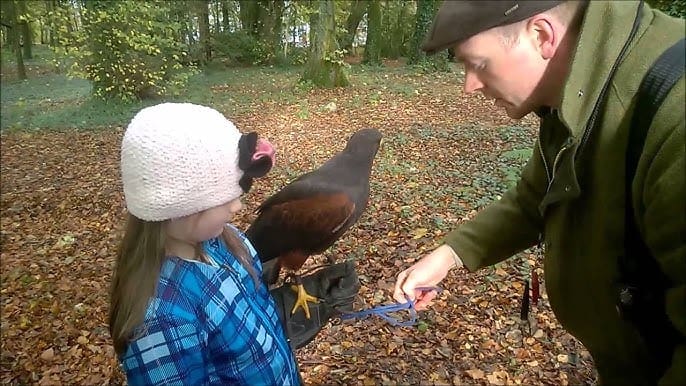

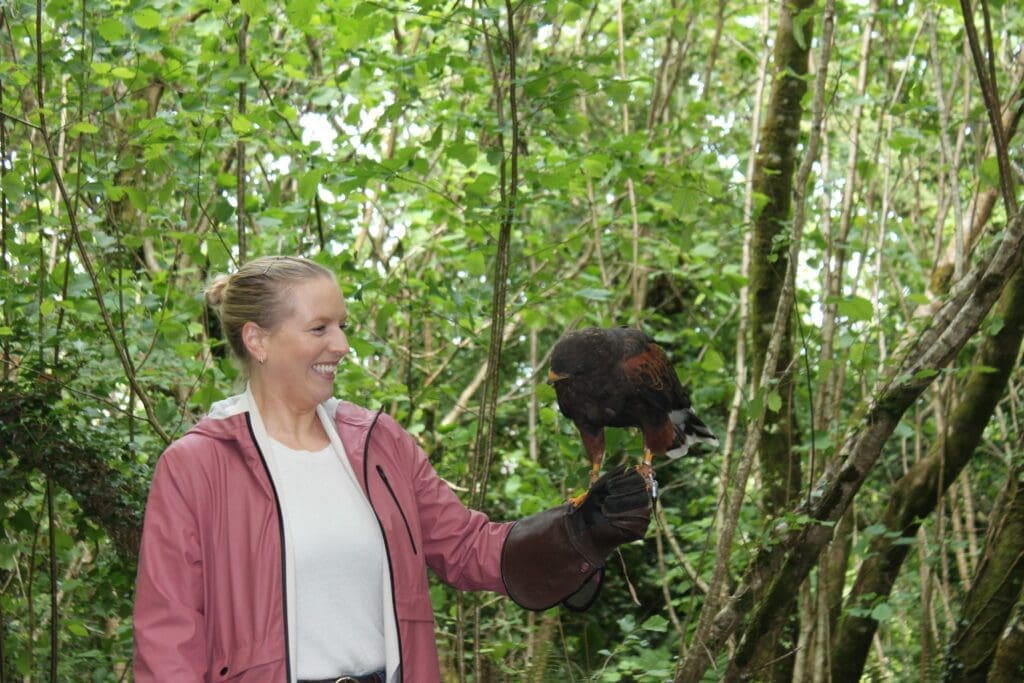
Liaising with partners The Welsh Kite Trust, chicks were taken under license from nests near Rhayader destined for a new life in North Co. Dublin. The chicks were raised in pens after their arrival in Dublin, with no contact from people they remained as wild as their parents in the Welsh hills.
As with their conspecifics released in Co. Wicklow and Co. Down the Dublin kites took to their new habitat well but constant monitoring, surveying and satellite tagging continues to this day to ensure the safety of these majestic raptors.
The community at Aillwee has continued with assistance in tagging and monitoring kites in the field with the GET since 2011 and money has continued to be raised and donated to the GET. Since 2024 We have been working with the GET on the new Hawk Eyes initiative. This is a program of fitting solar-powered satellite back packs on fledgling kites and common buzzards in Ireland to help us learn more about their survival rates and movements over the course of their lifetime. Incidents of poisonings and shootings still occur and threaten Irelands raptor population. This program gives us a genuine fighting chance in combating this by helping us keep a more accurate eye on the movements and patters of individual birds.
We at Aillwee are incredibly proud to have played our small part in the work undertaken by the Golden Eagle Trust and we will continue to work with them into the future. Through constant education and spreading the word we continue to fight to protect Irelands birds of prey.